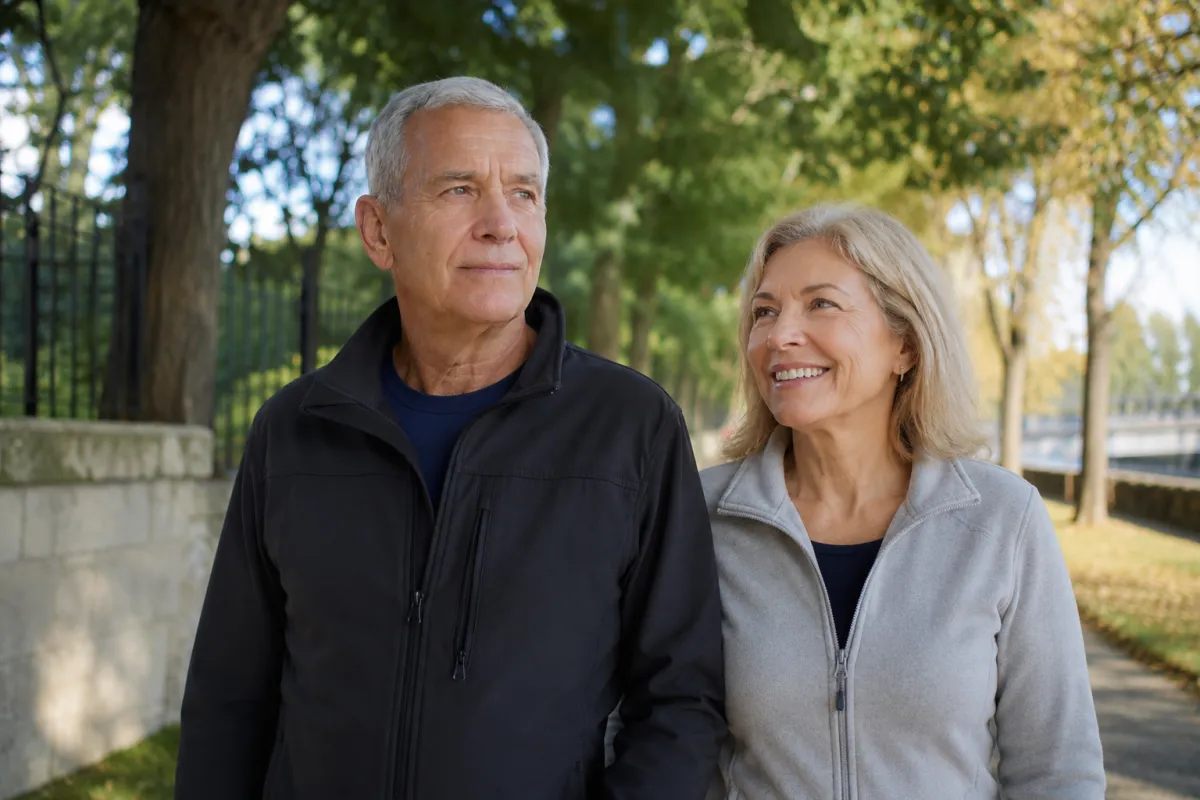
Self-Defence for Seniors: Aren't They Too Old? No.
I have about eight seminars coming up with seniors, so this has been on my mind a lot lately.
And every time I prepare for these groups, I am reminded of something that still bothers me after three decades of teaching self-defence.
Many instructors will not teach seniors at all. They take one look and decide these folks are too old to defend themselves. Not worth the time.
Not only is that wrong, but it is also very troubling for a profession that claims to protect people.
Are there limitations that come with age? Of course. But "limited" is not the same as "helpless." Most senior groups I have worked with can do more than anyone, including themselves, expects. Telling them they can’t defend themselves is not only false, but harms their belief that they can’t.
I should know. I am 61 now. In some places that makes me a senior. And I can still do plenty, thanks very much.
So let me tell you what actually works for older adults. It is not what most instructors teach.
Skip the gimmicks
Before we get to what works, let me call out what does not.
Some instructors love teaching seniors gimmicks that look good on social media. For example, how to use their canes as weapons. On the surface, it seems logical, but go just a little deeper and the logic falls apart.
Here is the problem. For most seniors, that cane is not a weapon. It is their balance. It is the thing keeping them upright.
So you are going to teach them to swing the one object holding their balance? Now they are off balance and closer to the attacker. That is not self-defence. That is a gimmick that makes an older person less safe, not more.
In addition, they are taught to carry self-defence devices such as pepper spray. I am not saying a few of these gadgets can’t help, but they are often taught as shortcuts to safety, bypassing all the critical, valuable education they should learn first.
Good training for seniors does not add risk. It removes it.
The "too nice" challenge
I have taught self-defence to seniors in community centres for years. One program I ran for four weeks years ago. The average age in the room was 77.
Here is what I saw again and again.
A senior feels uneasy in an elevator. Someone is standing too close. They know something is off. But they stay quiet. They do not want to be rude.
Or someone knocks at the door. A stranger. Something about it feels wrong. But answering feels like the polite thing to do, and talking through a closed door feels rude, so they open it. They override the gut feeling because being impolite feels worse than being unsafe.
That is the danger. Not the politeness itself. There is nothing wrong with being kind and courteous. It is a good way to live.
The problem is when politeness overrides intuition. When "I don't want to be rude" wins against "something feels wrong here."
Predators know this about seniors, and a big reason why they are targeted, along with possible physical limitations. They might ask for the time or directions, because a polite senior will turn their back or look down at their watch. They knock and wait, because a polite senior struggles to leave a stranger standing there. That courtesy is just one reason why seniors are often targeted.
So one of the first things we talk about is how and why seniors are targeted. We all must give ourselves permission to be firm. Permission to trust that uneasy feeling and act on it. Permission to keep a door closed, to walk away, to stop worrying about looking rude. You can be a kind person and still protect yourself. The two are not in conflict. When your gut says something is off, that comes first. Every time.
Prevention first, but physical still has a place
Here is where I differ with many instructors. The ones who teach seniors nothing physical because they assume they cannot defend themselves. And the ones who teach seniors the same physical skills they teach young, strong athletic types who train regularly.
Both are wrong.
Prevention comes first for everyone. For seniors, it is paramount. Their bodies often have physical limitations they might not have had in their younger years. Seeing trouble early and avoiding it is where the training must begin. If I have extended time, I might still teach a few simple physical moves. Easy to remember. Nothing that depends on being athletic. But those are the last resort, not the priority.
What actually keeps seniors safe
Here are a few simple concepts that we go into much more depth when teaching. That is the point. Simple is what you remember when your heart is racing, regardless of age or ability.
Trust your gut. That uneasy feeling is not paranoia. It is your brain spotting danger before you can explain it. When something feels wrong, act on it. Find the nearest exit. Leave.
Walk like you mean it. Head up. Steady pace. Eyes open. An attacker looking for an easy target is more likely to skip the person who looks aware. Slumped and distracted is what they want. There are no guarantees, so the aim is to reduce the odds of being chosen.
Make eye contact. A quick look tells someone "I see you." That small thing goes a long way in reducing the chances of being chosen. They wanted to go unnoticed. You just noticed them.
Be willing to make noise. Yelling and drawing attention is not rude. It is a tool. Most attackers run the second they have been exposed.
Distraction tricks. Someone might ask for directions or the time. The vast majority of the time it is legitimate, but they might want you to turn your back. Stay facing them. Keep your distance. You can be helpful without being vulnerable.
Be smart at the bank machine. Use it during the day. Take out only small amounts. Do you really need cash? Bring a friend if you can.
If it is only about money, let it go. Your purse is not worth your safety. Hand it over and walk away. Things can be replaced.
Why I teach it this way
I have taught self-defence to more than 200,000 students over the years. High-school kids. Adults. Thousands of seniors.
Back in 2011, the Toronto Star covered me teaching seniors. The headline said it all: "Seniors learn to stop being so nice with self-defence course." That was in 2011, and I have taught the same prevention-first approach ever since.
For instructors who want to teach seniors
If you teach self-defence to older adults, or you want to, here is the mistake I see most.
Some instructors will not teach seniors at all. Others teach them the same physical curriculum as everyone else. Both miss the point.
Seniors are like any other demographic I teach. They do not need a pile of techniques. They need a few clear decisions they can make under pressure. Awareness. Confidence. Permission to be firm. And simple physical options that fit their possible limitations,
That is what SAFE teaches. A recall-first system built for regular people, including the ones who cannot rely on strength or speed. Our certified instructors around the world use it with seniors every day.
If that is the kind of training you want to offer, consider SAFE Certification.
Explore SAFE Certification →[link to /self-defence-certification]
Keep SAFE!
Chris Roberts


